If you find mice in your El Paso home every winter, you already know traps and poison are a losing battle. You catch a few, they come back, you buy more. The reason is simple: as long as the holes they use are open, new mice keep walking in. The permanent fix is exclusion, sealing the house so they cannot get in at all.
Here is how it works and where the gaps usually are on El Paso homes.
Why Trapping Alone Never Ends
Trapping clears the mice you have right now. It does nothing about the next ones. A house mouse can squeeze through a gap the size of a dime, and a young rat through a hole the size of a quarter. Our block-wall and stucco construction here leaves plenty of those gaps, so an untreated home is basically an open door every fall.
Exclusion flips that. Seal the entry points once, and the traps you set actually finish the problem instead of restarting it every season.
The Entry Points We Find on El Paso Homes
When callers say "just plug the holes they are coming in through," these are the spots that matter most:
- Weep holes in block walls. These drainage gaps are mouse-sized and everywhere on desert homes. Rodent-proof weep hole covers close them without blocking drainage.
- Garage door gaps. Worn bottom seals and the corners where the door meets the slab leave daylight, and mice walk right in.
- AC and utility line penetrations. The wall openings where refrigerant lines, pipes, and cables enter often have gaps around them.
- Roofline and fascia gaps. Where tile or shingle meets the roof deck, especially on older homes.
- Unscreened vents. Dryer, attic, and foundation vents without proper screening.
How Real Exclusion Is Done
The difference between exclusion that lasts and a dab of foam is the materials. Mice chew through foam and steel wool falls apart. Proper rodent exclusion uses:
- Weep hole covers sized for block walls.
- Hardware cloth (chew-proof metal mesh) on vents and larger openings.
- Door sweeps and gaskets on garage and entry doors.
- Sealed pipe penetrations using materials rodents cannot gnaw.
A full exclusion starts with a 20-point inspection so nothing gets missed, because one open hole undoes the whole job.
Pair It With a Trap-Out
If mice are already inside when you seal, you want them cleared, not trapped in the walls. That is why exclusion pairs with a quick rodent control trap-out: clear what is inside, seal what is open, and the cycle is broken. If they are already in the attic, attic and crawlspace removal handles the cleanup too.
The Payoff
Exclusion costs more upfront than a bag of traps, but it is the only step that actually ends the yearly problem. Most homeowners who seal their El Paso home stop seeing winter mice entirely instead of fighting them every October.
Want your home sealed before the cold pushes rodents indoors? Call (915) 546-5672 for a rodent exclusion inspection across El Paso, the West Side, and the Upper Valley.
Need Immediate Help With This Pest in El Paso?
Call (915) 546-5672 for a free inspection and a desert-tested treatment plan from local El Paso exterminators.
Keep Reading
More El Paso Pest Control Guides
Local, desert-tested advice from our El Paso exterminators.
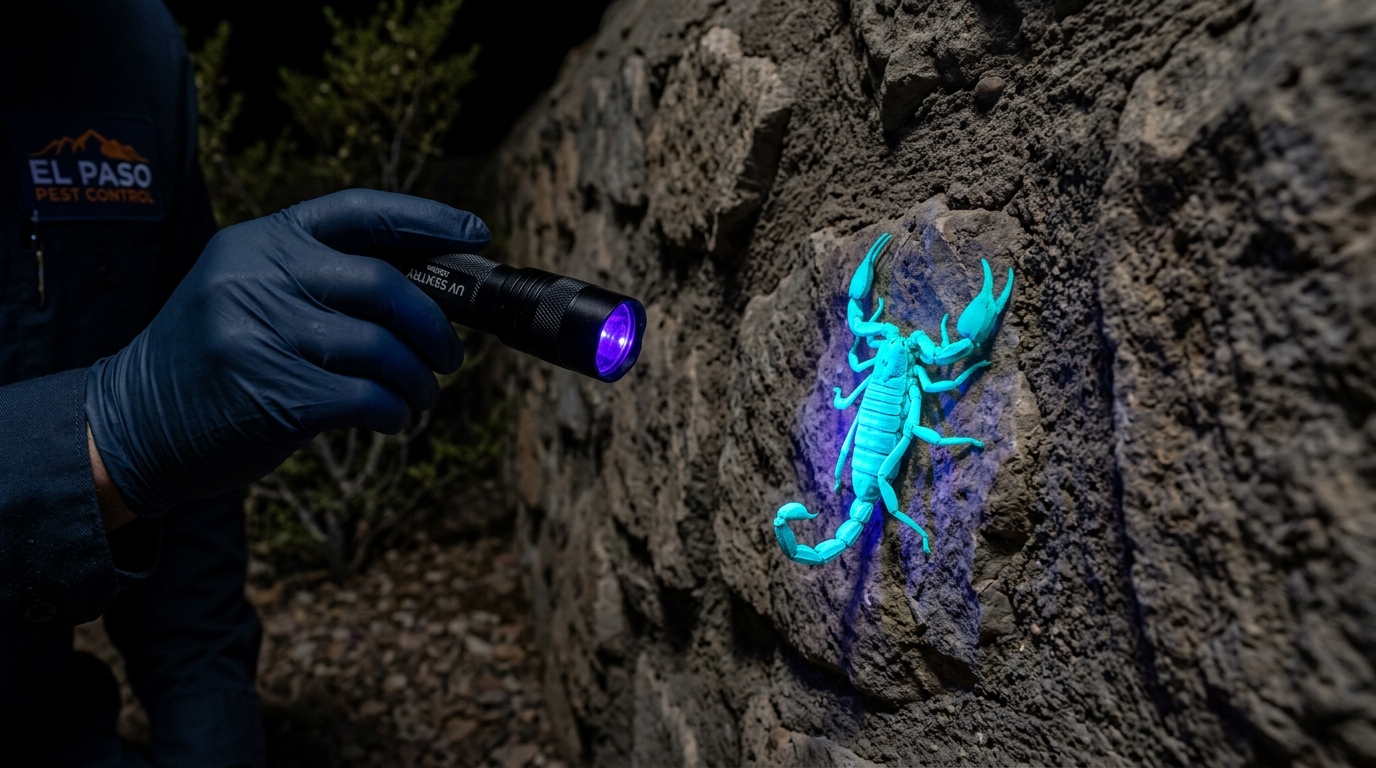
Why Bark Scorpions End Up in El Paso Bathrooms (And How to Stop Them)
Discover why bark scorpions love El Paso bathrooms, how they enter through plumbing voids, and the exact steps to scorpion-proof your home.
Read guide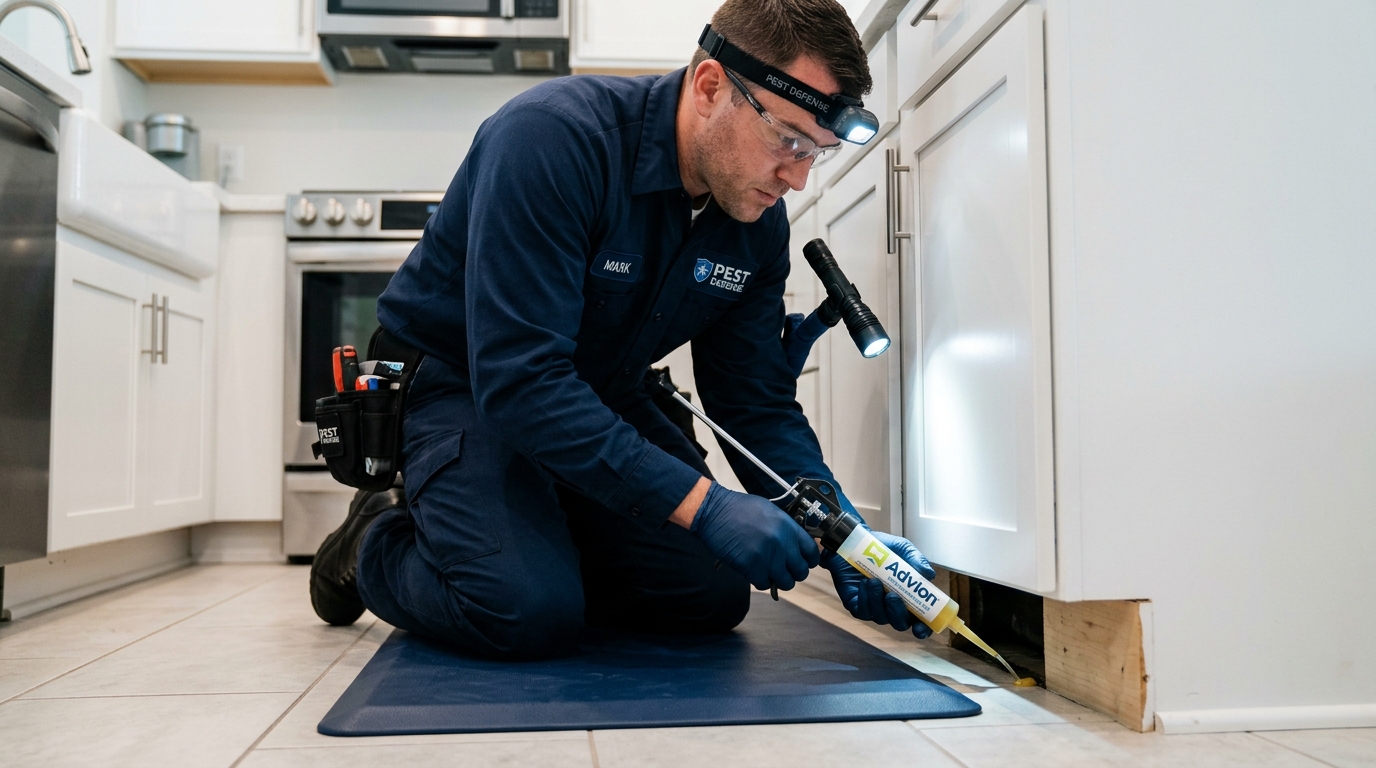
German vs. American Cockroaches in El Paso: Identification & Eradication
Learn how to tell German cockroaches apart from American roaches in El Paso, where each species hides, and the right treatment methods for eradication.
Read guide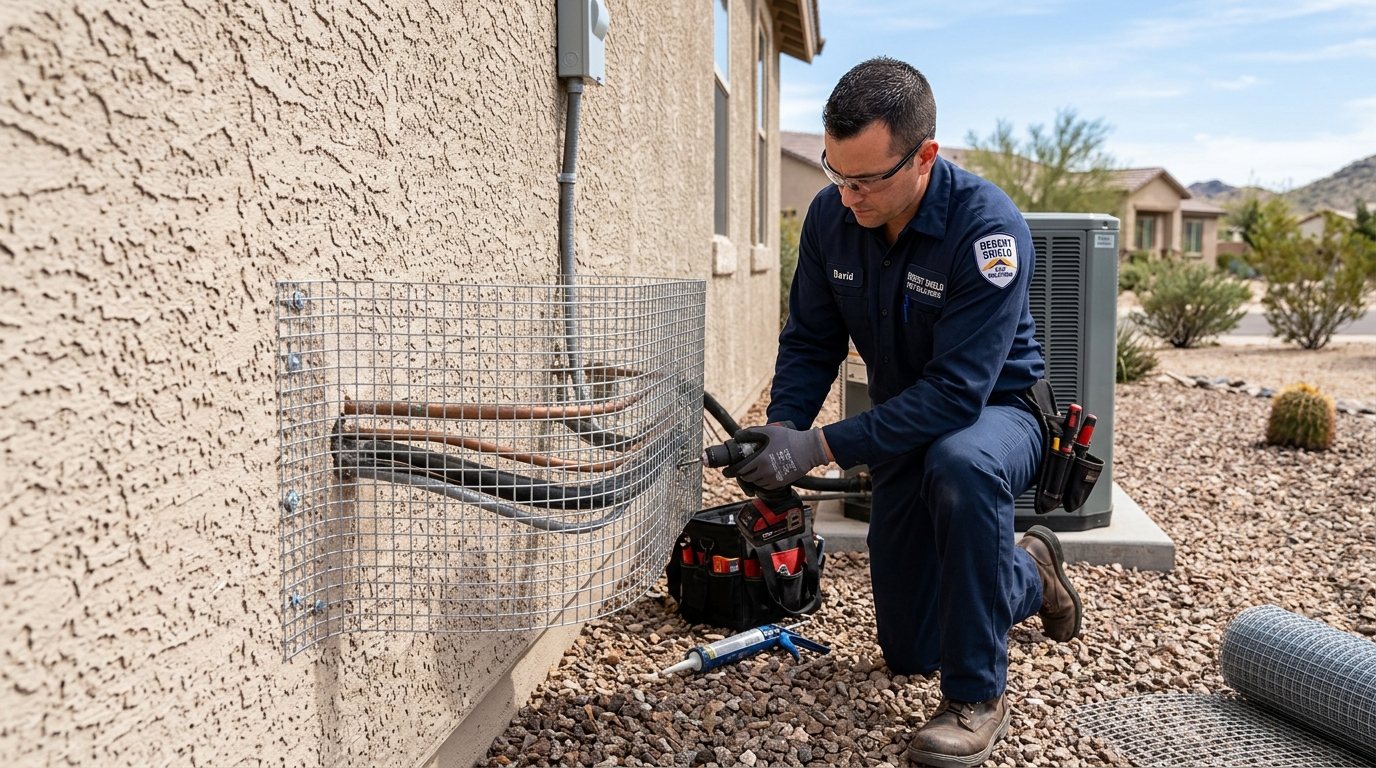
Desert Pack Rats & Mice: Preventing Winter Rodent Invasions in El Paso
Why desert pack rats and house mice move into El Paso attics and garages every fall and winter, and how exclusion sealing protects your property.
Read guide